How Does the Counting of the Omer Work?
Understanding The Omer: A Sacred Journey in Time
What is The Omer? An Introduction to a Unique Mitzvah
The Omer refers to a measure of barley, specifically the first sheaf harvested in ancient Israel. This “omer” was brought as an offering to the Temple on the second day of Passover. The counting of the Omer is a unique mitzvah, a divine commandment, that bridges two major Jewish festivals. It marks a period of profound spiritual anticipation.
The Purpose and Significance of Counting
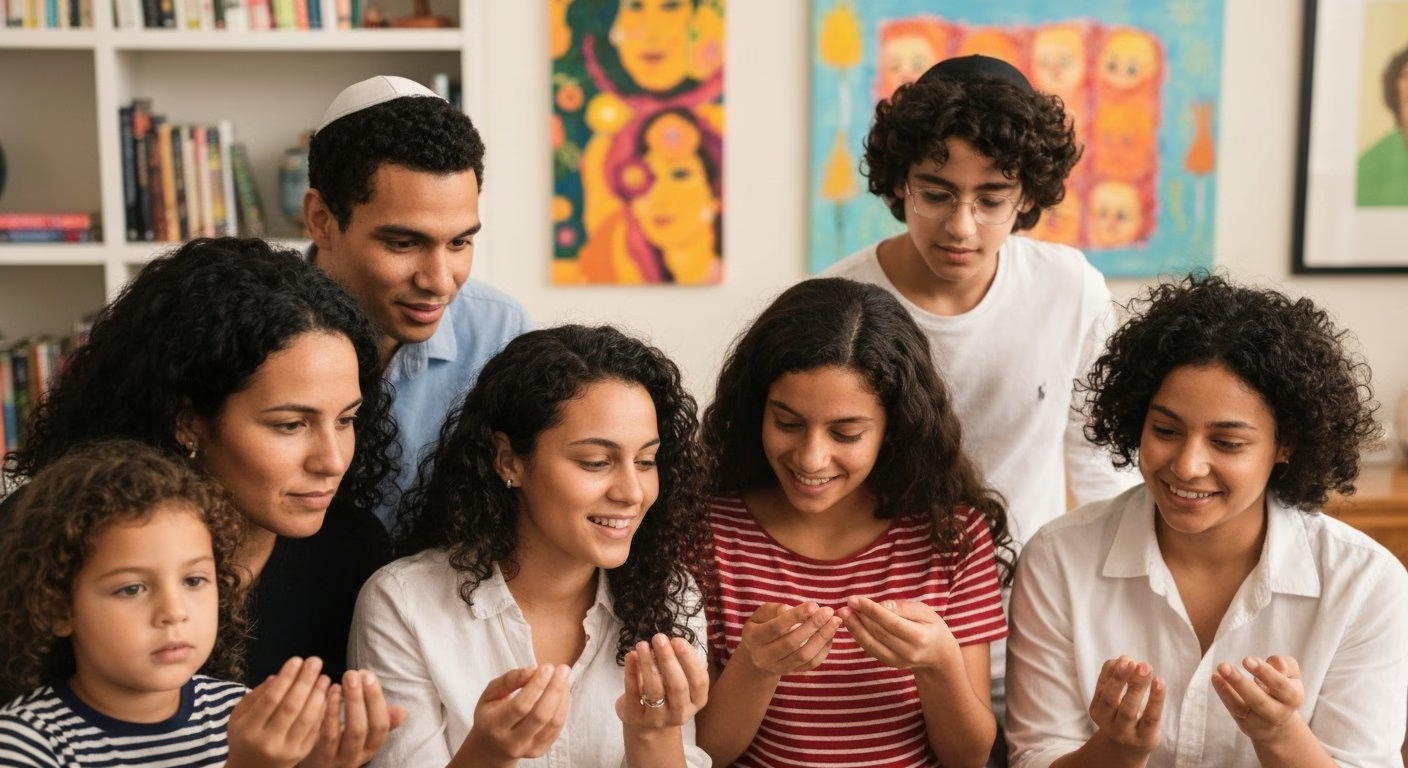
The act of counting itself is more than just marking time; it’s a deliberate, daily ritual. It serves as a spiritual countdown, building anticipation for a momentous event. This period is dedicated to personal growth and reflection, preparing the Jewish people for a profound encounter.
Biblical Roots and the Commandment to Count
The Mandate from Leviticus and Deuteronomy
The commandment to count the Omer is explicitly stated in the Torah. Leviticus 23:15-16 instructs: “And you shall count for yourselves from the day after the Sabbath… seven full weeks shall they be.” Deuteronomy 16:9 further reinforces this, emphasizing the seven weeks from the start of the harvest. This biblical directive establishes the basis for the entire practice.
Connecting The Omer to the Exodus Narrative and Freedom
The counting of the Omer is deeply intertwined with the Exodus narrative. It begins immediately after the first day of Passover, which celebrates the physical liberation from slavery in Egypt. This 49-day period symbolizes the journey from physical freedom to spiritual freedom. It highlights the understanding that true liberty encompasses both body and soul.
The Agricultural Context: First Fruits and Barley Harvest
Historically, the Omer offering marked the beginning of the barley harvest in the Land of Israel. This offering of the first fruits expressed gratitude to God for the land’s bounty. The counting thus connected the agricultural cycle to the spiritual calendar, underscoring God’s providence in both physical and spiritual realms. It was a tangible link between the people and their land.
The Mechanics of Counting The Omer: A Daily Ritual
When Does the Counting Begin and End? (Passover to Shavuot)
The counting of the Omer begins on the second night of Passover, specifically the 16th day of the Hebrew month of Nisan. It continues for 49 consecutive days, concluding on the day before the festival of Shavuot. This period connects the holiday of liberation (Passover) with the holiday of revelation (Shavuot).
The Blessing and Daily Declaration
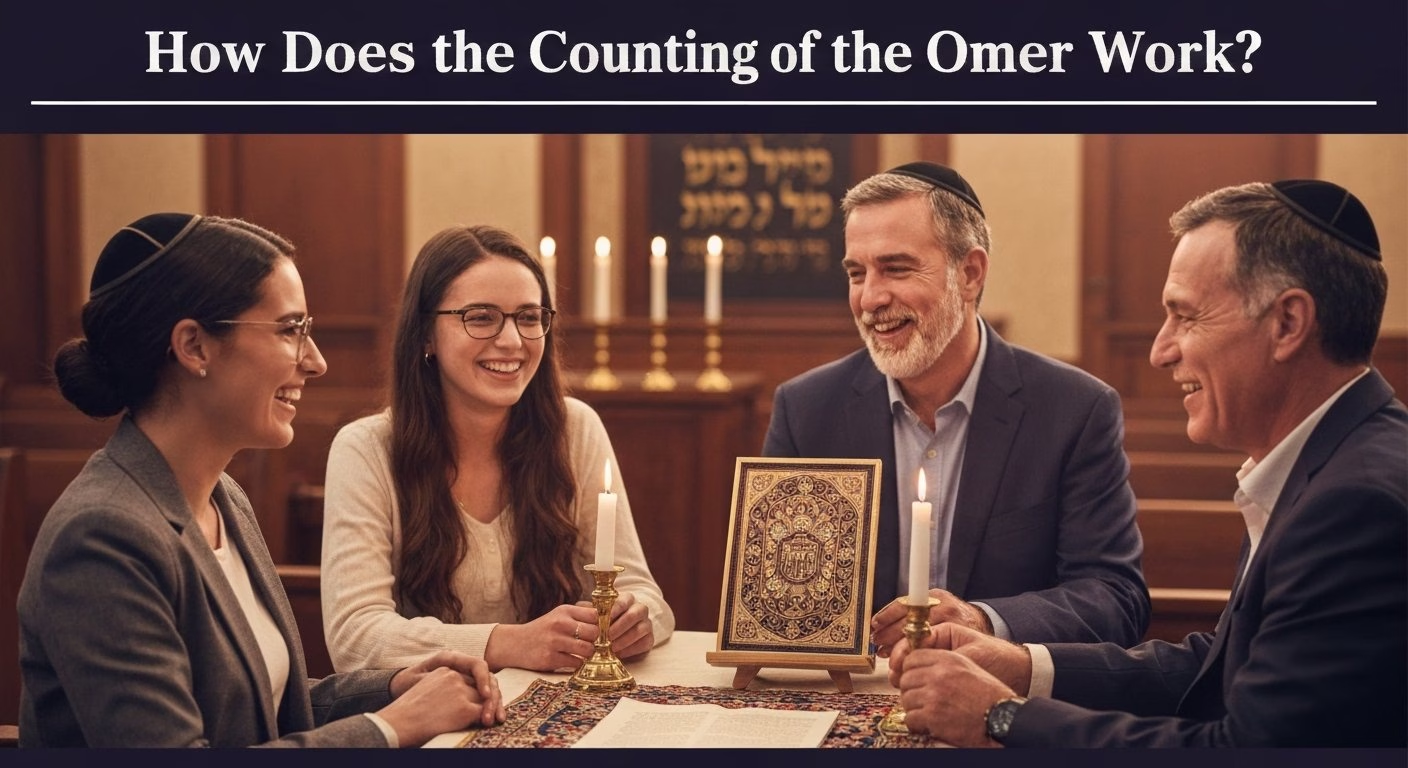
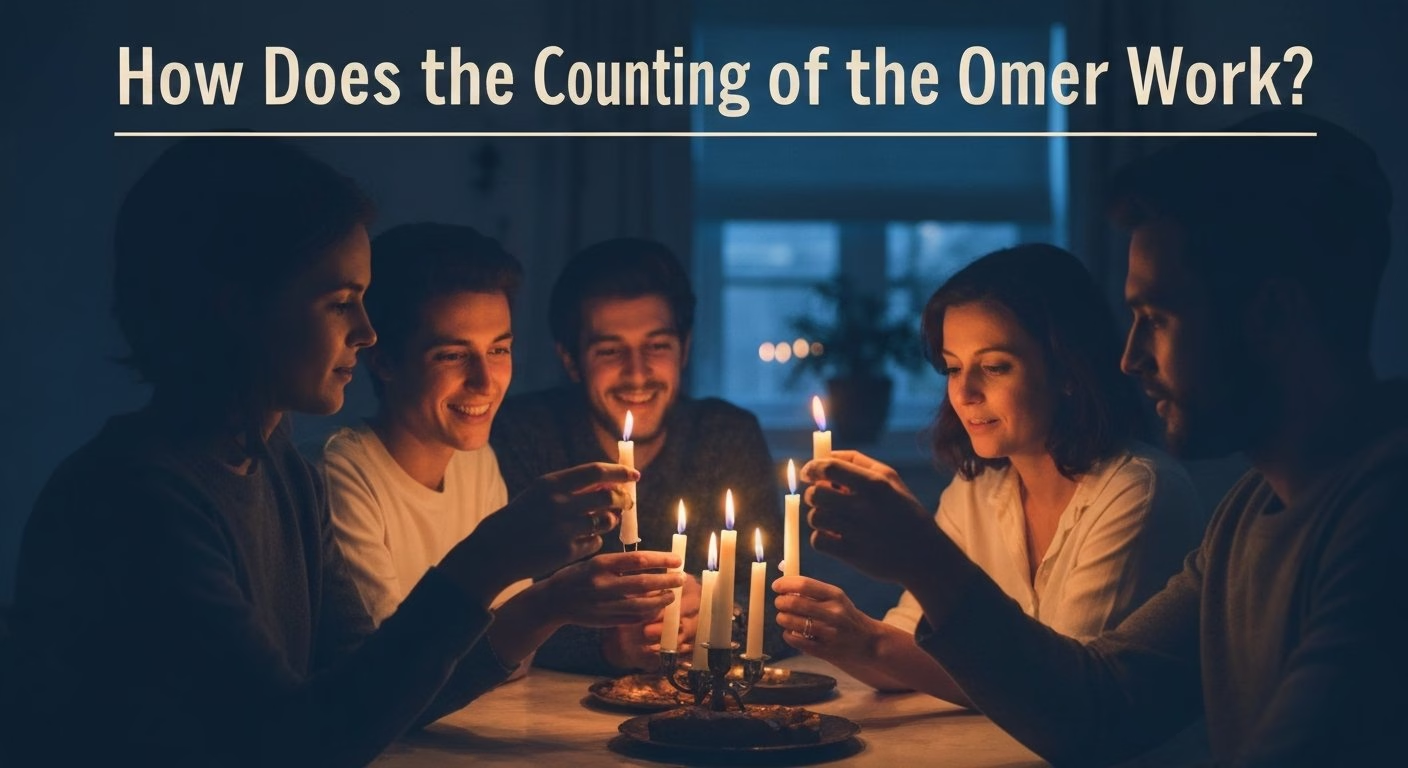
Each night, after nightfall, a special blessing (Bracha) is recited before counting. The blessing acknowledges God’s commandment to count the Omer. Following the blessing, the specific day is declared, for example, “Today is one day of the Omer.” This daily ritual is central to the mitzvah.
The Dual Count: Days and Weeks
The declaration includes a dual count: both the cumulative number of days and the number of weeks and days within those weeks. For instance, on the eighth day, one would say, “Today is eight days, which are one week and one day of the Omer.” This dual counting emphasizes both the passage of time and the structure within that period. It reinforces the seven-week cycle.
Specific Laws and Customs for Counting
The counting must be done after nightfall to be valid for the new day. If one forgets to count for an entire day, they may continue counting on subsequent days, but without reciting the blessing. Public counting often occurs in synagogues, but the individual obligation remains. These laws ensure the integrity of the daily practice.
The Spiritual Journey and Deeper Meaning of The Omer
Preparing for the Revelation at Mount Sinai
The 49 days of the Omer are seen as a period of intense spiritual preparation. The Jewish people, having been freed from slavery, needed to purify themselves and elevate their spiritual state. This journey culminated in the receiving of the Torah at Mount Sinai on Shavuot, transforming them into a holy nation. It’s a symbolic ascent towards spiritual readiness.
Personal Growth and Refinement (Middot)
Many traditions associate each week, and even each day, of the Omer with a specific middah (character trait). This encourages introspective self-improvement, focusing on aspects like kindness, discipline, compassion, and humility. By reflecting on and working on these traits daily, individuals strive for personal refinement. It’s an opportunity for deep self-assessment.
Reflecting on the Transition from Physical to Spiritual Freedom
The journey from Exodus to Sinai is a profound transition from physical emancipation to spiritual enlightenment. The Omer period allows for a conscious reflection on this process. It teaches that true freedom isn’t merely the absence of bondage, but the embrace of purpose and divine connection. This spiritual freedom elevates human existence.
Observing The Omer in Modern Practice
Common Customs and Traditions During The Omer Period
Traditionally, the Omer period, particularly the first 33 days, is observed with certain mourning customs. These include refraining from weddings, haircuts, and listening to live music. This period commemorates a plague that afflicted Rabbi Akiva’s students in ancient times. These customs are meant to foster a sense of solemnity and reflection.
Resources for Daily Counting (Calendars, Apps, Synagogue Announcements)
In modern times, observing the Omer is made easier by various resources. Specialized Omer calendars are widely available, marking each day with its Hebrew date and corresponding count. Many Jewish apps also feature daily Omer reminders and blessings. Synagogues often announce the count nightly, ensuring no one misses this important mitzvah.
The End of The Omer: Celebrating Shavuot and the Giving of the Torah
The 49 days of the Omer culminate in the joyous festival of Shavuot. This holiday celebrates the giving of the Torah at Mount Sinai, the ultimate spiritual freedom and covenant between God and the Jewish people. It marks the successful completion of the spiritual journey, transforming anticipation into celebration. The Omer journey finds its powerful conclusion here.
Ready to embark on your own spiritual journey? Start counting the Omer this year and connect with centuries of tradition. Find an Omer calendar or app today!
Frequently Asked Questions
What is The Omer and its fundamental purpose?
The Omer refers to a measure of barley, specifically the first sheaf harvested in ancient Israel, brought as an offering to the Temple. The counting of the Omer is a unique mitzvah, a divine commandment, that serves as a deliberate, daily ritual bridging two major Jewish festivals, building anticipation for a momentous event and dedicated to personal growth and reflection.
What is the biblical basis for counting the Omer, and how does it connect to the Exodus narrative?
The commandment to count the Omer is explicitly stated in Leviticus 23:15-16 and Deuteronomy 16:9. It is deeply intertwined with the Exodus narrative, beginning after the first day of Passover. This 49-day period symbolizes the journey from physical liberation from slavery in Egypt to spiritual freedom, culminating in the receiving of the Torah at Mount Sinai.
When does the counting of the Omer begin and end, and what holidays does it connect?
The counting of the Omer begins on the second night of Passover, specifically the 16th day of the Hebrew month of Nisan. It continues for 49 consecutive days, concluding on the day before the festival of Shavuot. This period connects the holiday of liberation (Passover) with the holiday of revelation (Shavuot).
How is the Omer counted daily, including the blessing and declaration?
Each night, after nightfall, a special blessing (Bracha) is recited before counting, acknowledging God’s commandment. Following the blessing, the specific day is declared, including a dual count of both the cumulative number of days and the number of weeks and days within those weeks (e.g., “Today is eight days, which are one week and one day of the Omer”).
Questions for Reflection
What does this article explain?
It explains the biblical meaning of How Does the Counting of the Omer Work? and its significance for Christian faith today.
Why should Christians study the biblical feasts?
The feasts remember God’s salvation and presence, and Christians discern their fulfillment through Jesus Christ.