The Selection of the Lamb: A Theology of Sacred Timing for 2026
The selection of the lamb stands as a jarring interruption to the frantic pace of 2026, a year where our calendars are more likely to be dictated by quarterly earnings and algorithmic prompts than by the ancient rhythms of grace. Why is it that in an era of unprecedented connectivity, we feel more untethered from the foundations of our existence than ever before? As we navigate the labyrinthine corridors of Manhattan or scroll through the infinite mirrors of our digital feeds, we are constantly told that time is a commodity to be exploited, a resource to be optimized until every second yields a measurable return. Yet, the biblical narrative offers a different sort of temporal reality—one that insists that the most important moments are often the ones the world overlooks. The selection of the lamb is not a relic of a primitive past; it is a prophecy of a persistent future.
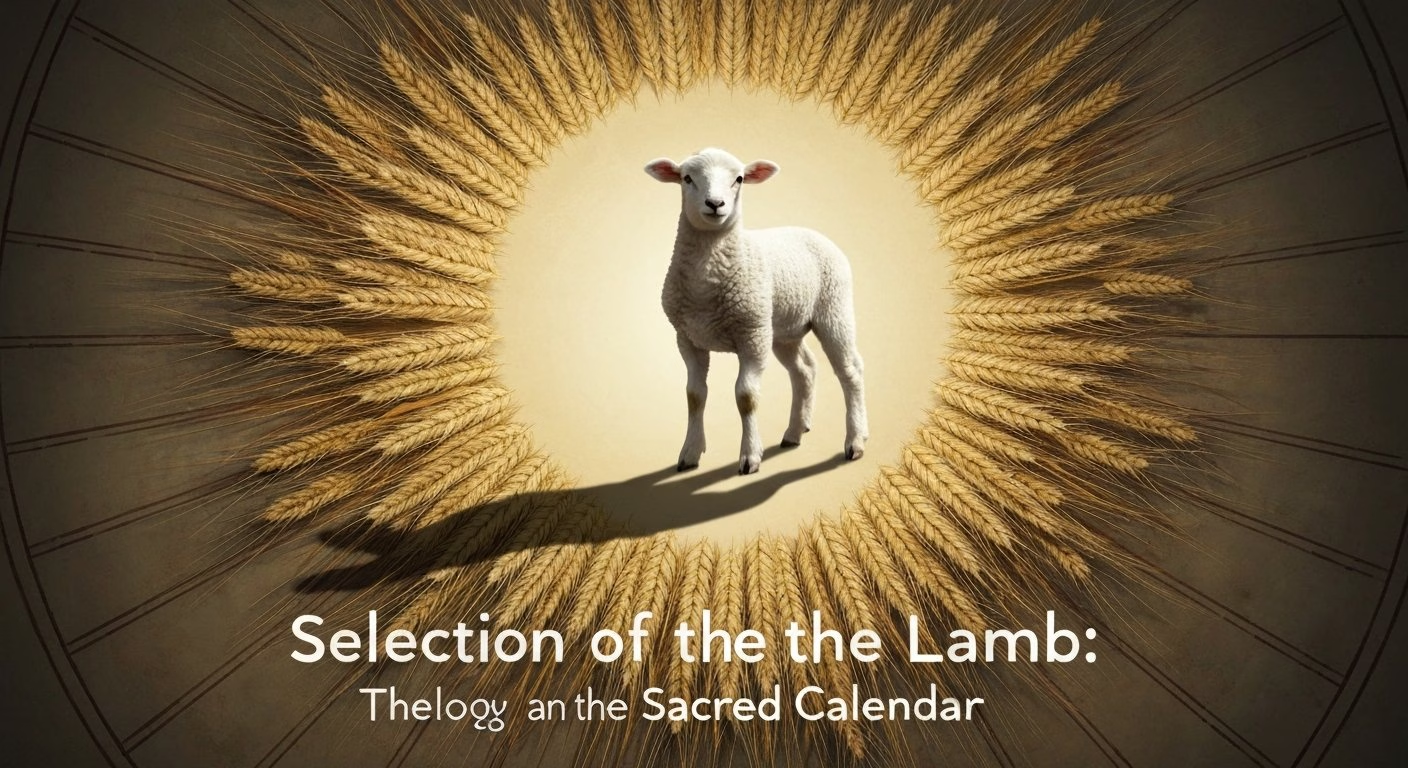
In the Hebrew tradition, the 10th of Nisan was the day designated for a family to choose the animal that would be sacrificed for the Passover. This was not a hurried transaction at a roadside stall. It was a deliberate, intimate act. The lamb was brought into the home, observed for four days to ensure it was “without blemish,” and only then offered up. This period of waiting—this four-day threshold—is where the theology of timing becomes most acute. It suggests that God is not interested in the “microwaveable” spirituality that we so often crave in the twenty-first century. For 2026, as we look toward the spring, the 10th of Nisan falls on March 28th. To observe the selection of the lamb in this context is to refuse the tyranny of the immediate and to step into a story that began before the foundations of the world were laid.

The Tyranny of the Digital Clock vs. the 10th of Nisan
We are currently living through what some social theorists call the “acceleration of everything.” In the shadow of the skyscrapers of the Financial District, one can almost feel the vibration of millions of decisions being made by high-frequency trading bots in milliseconds. In such a world, the idea of waiting four days to verify the purity of a sacrifice seems not just quaint, but economically illiterate. However, the selection of the lamb reminds us that the Kingdom of God operates on a different frequency. The clock of the city measures productivity; the calendar of the Kingdom measures fidelity. When we lose the ability to distinguish between the two, we become susceptible to the specific kind of cynicism that characterizes our age—the belief that everything is a transaction and everyone has a price.
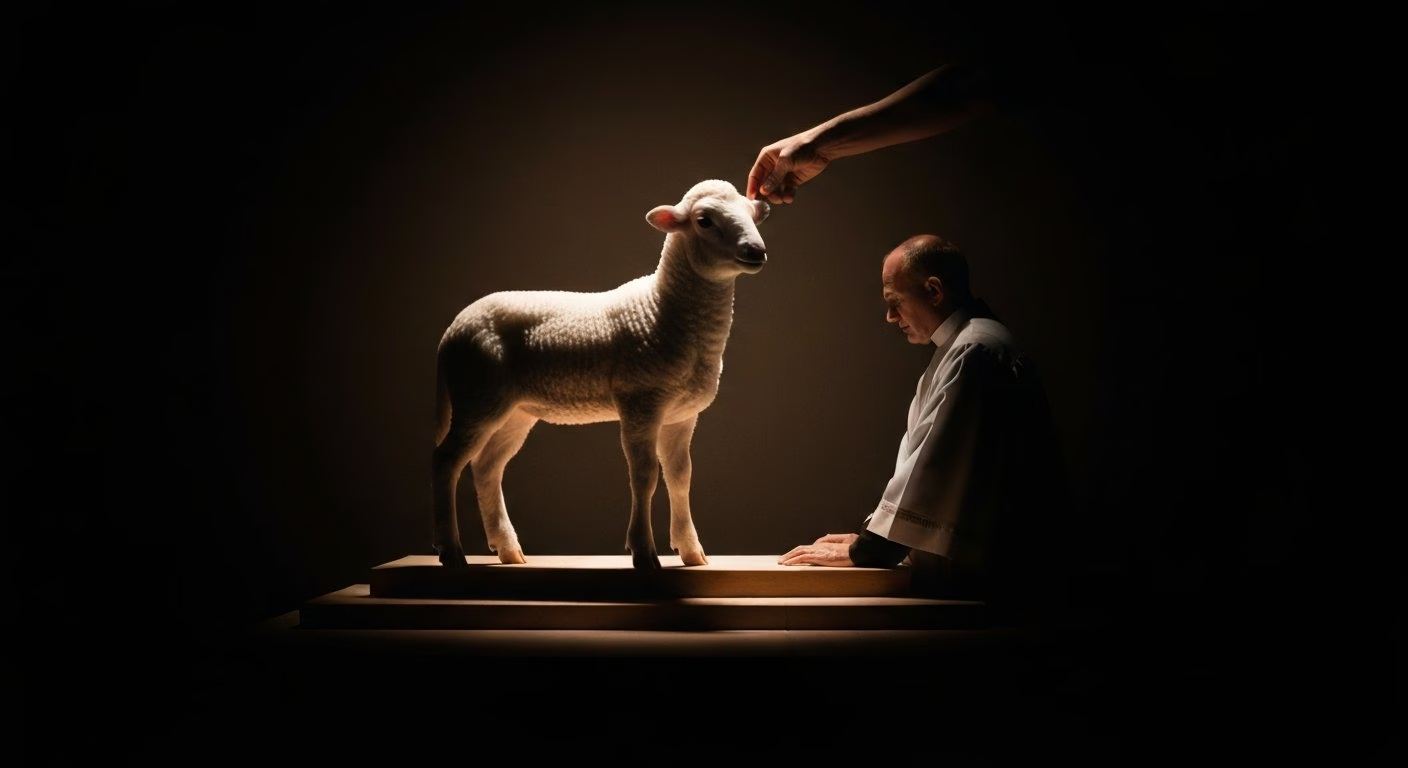
The selection of the lamb in 2026 serves as a necessary friction. It stops the momentum of our secular age just long enough for us to ask: What are we actually sacrificing for? We all have our “lambs”—the things we offer up on the altars of our careers, our reputations, or our political tribalisms. But the Passover lamb was different. It was the only sacrifice that could actually turn back the angel of death, precisely because it was the one sacrifice God provided for Himself. In the New Testament, this pattern finds its ultimate fulfillment when Jesus enters Jerusalem. The crowds saw a political disruptor; the Father saw the selection of the lamb. While the city was preparing for a riot, heaven was preparing for a redemption.
Cultural Anxiety and the Selection of the Lamb
It is no secret that our cultural moment is defined by a pervasive, low-grade fever of anxiety. Whether it is the looming shadow of artificial intelligence, the fragmentation of the social fabric, or the simple exhaustion of trying to keep up with the latest moral panics, we are a people in search of a sanctuary. The selection of the lamb provides such a sanctuary by reminding us that the outcome is not dependent on our frantic efforts. In the original Passover, the blood on the doorpost was not a sign of the resident’s moral perfection or intellectual sophistication; it was a sign of their participation in a story they did not write. The selection of the lamb was the point of entry into that safety.
Questions for Reflection
What does this article explain?
It explains the biblical meaning of The Selection of the Lamb: 2026 Sacred Calendar and its significance for Christian faith today.
Why should Christians study the biblical feasts?
The feasts remember God’s salvation and presence, and Christians discern their fulfillment through Jesus Christ.