Finding the Fullness of Christ in the Field of Grace
In an age of pervasive loneliness and economic fragility, many wonder if the fullness of Christ is an abstract theological ideal or a concrete reality we can inhabit today. We live in a cultural moment characterized by a profound sense of displacement, where the “arc of history” feels less like a moral trajectory and more like a bureaucratic treadmill. We are a people who have lost our “rooms”—those spaces of belonging, inheritance, and identity that once felt anchored in the bedrock of the universe. To look at the modern landscape is to see a series of foreclosures, not just of property, but of the soul. We find ourselves, like Ruth, gleaning in the margins of fields that do not belong to us, wondering if there is any legal standing for the dispossessed.
The frustration of the modern believer often stems from a disconnect between the “high” theology of the Sunday morning liturgy and the “low” reality of Tuesday afternoon’s exhaustion. We hear of victory, yet we feel the cold weight of the debt we cannot pay. We are told we are heirs, yet we live like orphans. This is the crisis of the modern church: a failure to recognize that the gospel is not merely a sentiment or a psychological coping mechanism, but a legal and ontological reality rooted in the ancient office of the Goel. If we are to find our way back to our inheritance, we must understand that redemption is not an ethereal vapor; it is a transfer of deed, a reclamation of space, and a restoration of name.
The Bureaucracy of Belonging and the Goel
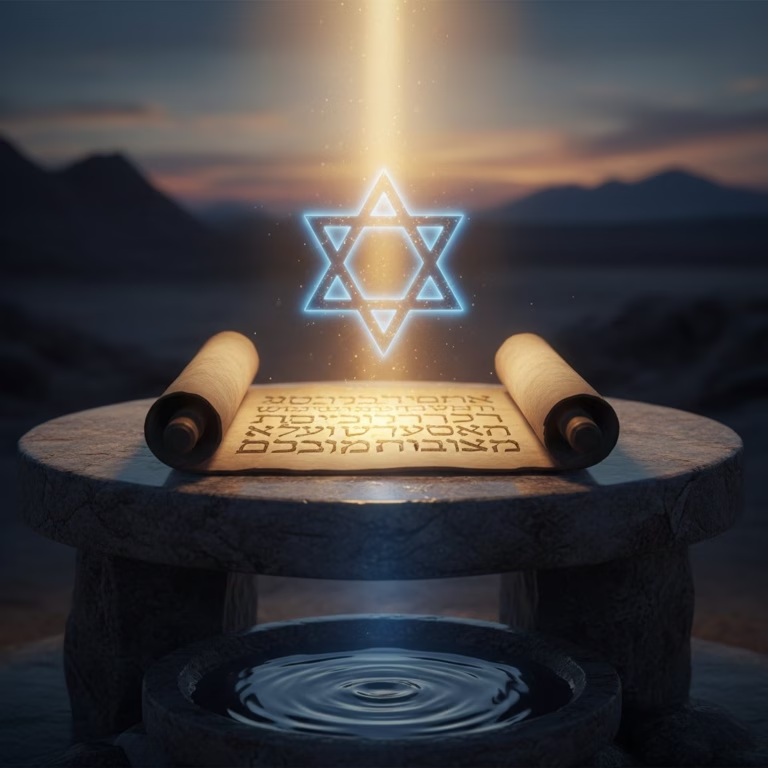
In the Israelite tradition, the concept of the the fullness of Christ was foreshadowed by a very specific, very grounded legal office: the Goel (גּוֹאֵל), or the Kinsman-Redeemer. This was not a role born of mere sentimentality or a vague desire to be “nice.” It was a rigid, structural safeguard designed to ensure that no “room” in the Father’s house was ever permanently lost and no family lineage was ever extinguished. In the economy of God, there is no such thing as a permanent exile for those within the covenant. The law, specifically in Leviticus 25, provided a mechanism where the lost could be found, and the sold could be bought back.
The story of Ruth and Boaz is often reduced to a pastoral romance, a sort of Bronze Age “meet-cute” in a barley field. But to read it that way is to miss the profound legal drama at play. Ruth was a Moabitess, an outsider by blood and a widow by circumstance. She was the personification of the “disinherited.” When she stood in the field of Boaz, she wasn’t just looking for a handout; she was looking for a Goel. She was looking for someone who had the legal standing to enforce the victory of grace over the debt of death. This is the picture of the church—a place where the legal requirements of heaven meet the desperate needs of the earth.
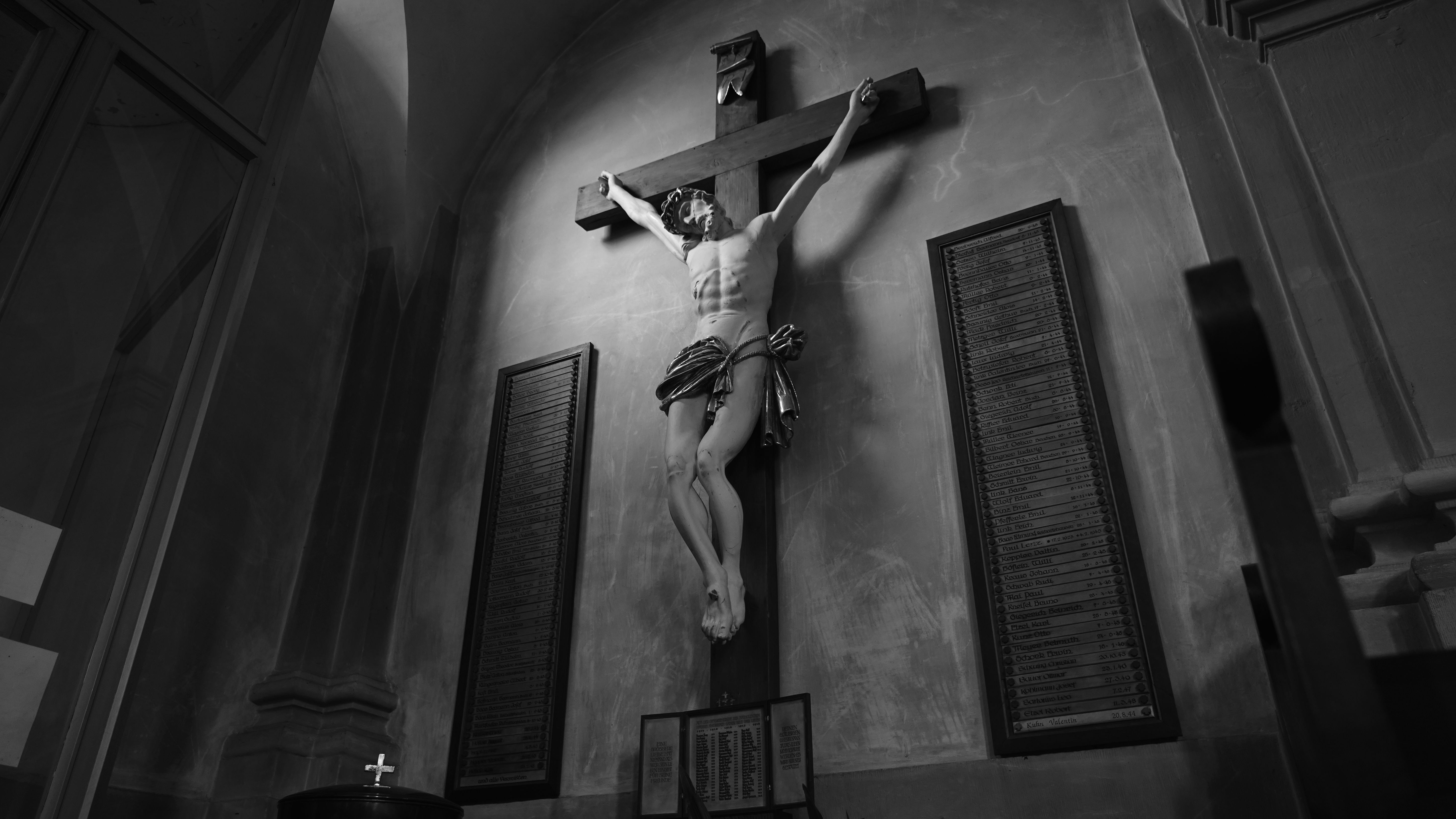
We often treat the church as a voluntary association of like-minded consumers, a sort of social club with better music and worse coffee. But the biblical vision of the church is far more robust. It is the location where the the fullness of Christ is distributed to those who have nothing left to trade. It is the field where the “Hardware of Redemption” is installed into the software of our broken lives. To understand how this works, we must look at the specific requirements that the Law demanded of any potential redeemer.
The Threefold Requirement for the Fullness of Christ
For a man to step into the office of the Goel, he couldn’t simply be a well-wisher. He had to meet three “Hardware” requirements that were non-negotiable under the Law. These requirements are the scaffolding upon which the entire doctrine of the Incarnation and the sufficiency of Christ is built. Without these three pillars, our hope is nothing more than wishful thinking.

Why Do I Keep Having Nightmares? Find Spiritual Peace
Why Do I Keep Having Nightmares? Find Spiritual Peace When we ask ourselves, why do I keep having nightmares?, we often search for answers in

Sukkot Meaning for Christians: God’s Dwelling
Sukkot Meaning for Christians: God’s Dwelling In a world often defined by digital ephemera and the transient nature of our online presences, the Sukkot meaning
How Christians Celebrate Sukkot Today: A Modern Look
How Christians Celebrate Sukkot Today: A Modern Look In a world often defined by the fleeting and the ephemeral, **how Christians celebrate Sukkot today** offers
How Jesus Celebrated the Feast of Tabernacles
How Jesus Celebrated the Feast of Tabernacles How Jesus Celebrated the Feast of Tabernacles (Sukkot) offers a profound lens through which to consider our own
The Church Is Born: Threshing Floor Faith & Covenant Wings
The Church Is Born: Threshing Floor Faith & Covenant Wings Imagine the sheer audacity of standing before a powerful figure, a landowner, a master

Security Before the Settlement: Profound Promise Between Ruth and Boaz
Security Before the Settlement: Profound Promise Between Ruth and Boaz How often do we find ourselves anxiously awaiting the final gavel, the signed document,